


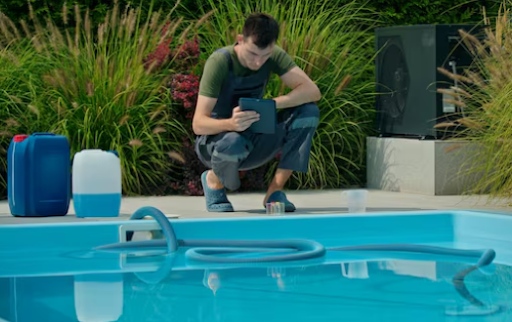
Owning a swimming pool is a fantastic investment in recreation, health, and property value. However, the enjoyment of a clean, sparkling pool relies heavily on consistent upkeep. Skipping even a single week can quickly lead to imbalances, contamination, and costly repairs.
Implementing a routine schedule of weekly pool maintenance is the most effective strategy for ensuring the pool remains a safe, attractive, and functional centerpiece of any home or community.
This proactive approach saves time and money in the long run while maximizing the longevity of the entire pool system.
Maintaining Water Health and Safety
The most crucial benefit of weekly pool maintenance is the preservation of water quality. Regular testing and adjustment of chemical levels—specifically chlorine, $\text{pH}$, and alkalinity—prevent the growth of harmful pathogens like bacteria and algae.
Balanced water is not only safe for swimmers but also comfortable. Water that is too acidic or too alkaline can cause skin and eye irritation.
Weekly balancing ensures that the sanitizer is working effectively and that the water remains crystal clear and completely safe for everyone who enjoys a swim.
Preventing Algae and Contamination
Algae growth is the most common and visible sign of neglected pool care. Once algae take hold, clearing the pool requires extensive chemical treatments and several days of intensive cleaning.
A consistent schedule of brushing the pool walls, skimming debris, and adding the appropriate algaecides during weekly pool maintenance stops algae spores before they can bloom.
Similarly, regular netting and vacuuming remove leaves, insects, and fine sediment, preventing them from decomposing in the water and creating a breeding ground for bacteria or staining the pool surface.
Extending Equipment Lifespan
The mechanical heart of your pool—the filter, pump, and heater—works hard to keep the water clean and circulating. Neglecting water chemistry leads to corrosive imbalances that can erode internal pump seals, damage heater elements, and clog the filter media with scale or debris.
During weekly pool maintenance, technicians check for proper water flow, backwash the filter when necessary, empty the skimmer and pump baskets, and inspect the equipment for early signs of wear.
This preventative care is essential for extending the expensive lifespan of the equipment and avoiding catastrophic failures.
Protecting the Pool’s Surface
The liner, plaster, or fiberglass surface of your pool is a significant investment. When water chemistry is consistently wrong, the surface can suffer irreversible damage. High pH and alkalinity cause scale to form, creating a rough texture and dulling the finish.
Low pH results in corrosive water that can etch plaster or damage vinyl liners. Brushing the walls and balancing the water on a weekly basis prevents these issues, protecting the integrity of the surface and preventing unsightly and costly stains or surface damage that requires professional resurfacing.
Catching Problems Early
A professional performing weekly pool maintenance is trained to spot small issues before they escalate. This includes detecting subtle leaks around fittings, noticing a minor tear in the liner, identifying unusual noises from the pump motor, or catching a slow drip from a valve.
Early detection and repair of these minor issues, such as replacing a small part or patching a leak, save the owner from facing much more expensive repairs—like a full pump replacement or extensive water loss—down the line.