


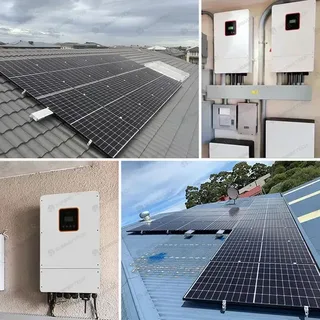
As electricity costs continue to rise and environmental awareness grows, many homeowners are considering renewable energy solutions. Solar energy is one of the most popular and practical options. This Beginner’s Guide to Setting Up a Solar System for Home Electricity will walk you through the essential steps and considerations for installing a solar setup at home.
Understanding Solar Energy
Solar energy is the power harnessed from the sun using solar panels. These panels convert sunlight into electricity, which can power your home, reduce your energy bills, and even contribute to a cleaner environment. Before installing a solar system, it’s important to understand the basic components:
- Solar Panels – Capture sunlight and convert it into electrical energy.
- Inverter – Converts the direct current (DC) produced by the panels into alternating current (AC) for home use.
- Battery Storage (optional) – Stores excess energy for use during the night or cloudy days.
- Charge Controller – Regulates the flow of electricity to prevent battery overcharging.
Assessing Your Home’s Solar Potential
Not every home is ideal for solar energy. Factors to consider include:
- Roof Direction and Angle: South-facing roofs typically receive the most sunlight.
- Shading: Trees or nearby buildings can reduce the efficiency of your solar panels.
- Energy Consumption: Understanding your household energy needs will help determine the size of your solar system.
Choosing the Right Solar System
There are different types of solar systems available:
- Grid-Tied Systems – Connected to the main power grid; excess energy can be sold back to the utility company.
- Off-Grid Systems – Independent of the power grid; usually paired with battery storage.
- Hybrid Systems – A combination of grid-tied and off-grid, offering both flexibility and backup power.
Selecting the right system depends on your energy needs, budget, and location.
Steps to Set Up a Solar System for Home Electricity
- Evaluate Your Energy Needs: Calculate your average electricity consumption.
- Design the System: Decide on the type and capacity of solar panels, inverters, and batteries.
- Obtain Permits: Check local regulations and apply for necessary permits.
- Install the System: Mount solar panels, connect the inverter, and install battery storage if needed.
- Inspection and Activation: Ensure the system meets safety standards and begin generating electricity.
Maintenance Tips for Your Solar System
Once your solar system is installed, regular maintenance ensures it operates efficiently:
- Keep panels clean and free from debris.
- Monitor energy production to detect any irregularities.
- Schedule professional inspections periodically.
Conclusion
Setting up a solar system for your home may seem daunting at first, but with proper planning and research, it can be a smooth process. This Beginner’s Guide to Setting Up a Solar System for Home Electricity has covered the key components, types of systems, and installation steps. By investing in solar energy, you can save on electricity bills, increase your home’s energy independence, and contribute to a sustainable future.