


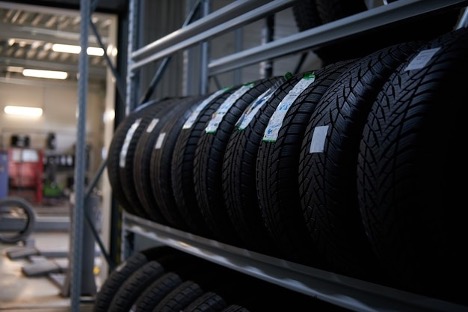
Tyres are the crucial component that connects your vehicle to the road, playing a significant role in safety and performance. Over time, tyres wear down and lose their effectiveness, leading to potential hazards. Recognizing the signs that it’s time to replace your old tyres with new tyres is essential for ensuring your safety and comfort while driving.
Tread Wear Indicators
One of the clearest signs that you need new tyres is the condition of the tread. Most tyres come with built-in tread wear indicators—small bars that become visible when the tyre tread has worn down to an unsafe level.
When you can see these indicators, it’s time to replace your old tyres with new tyres. Generally, the legal tread depth limit is 1.6 mm in many regions, so it’s crucial to regularly check the tread depth to ensure safe driving.
Cracks and Bulges
Physical damage to your tyres can significantly affect their performance. If you notice cracks on the sidewalls or bulges that appear to be inflating outward, it’s a strong indication that the structural integrity of the tyre has been compromised.
In such cases, replacing your old tyres with new tyres is imperative. Continuing to drive on damaged tyres can lead to blowouts, putting you and your passengers at serious risk.
Uneven Wear Patterns
If your tyres show signs of uneven wear, it may be time to replace them with new tyres. Uneven wear can indicate issues such as incorrect tyre pressure, misalignment, or suspension problems.
Regular maintenance is essential for preventing this type of wear, but once you notice it, investing in new tyres will help restore your vehicle’s stability and handling. Consistent alignment checks and pressure monitoring can also prolong the life of your new tyres.
Vibration and Noise
Experiencing excessive vibrations while driving is another sign that your tyres may need replacement. If your vehicle vibrates or if you hear strange noises that seem to be linked to the tyres, it may indicate an imbalanced or damaged tyre.
Replacing your old tyres with new tyres can eliminate these uncomfortable sensations and improve your overall driving experience. If you’re unsure of the cause, having a professional inspect your tyres can help determine if a replacement is necessary.
Age of the Tyres
Even if your tyres appear to be in good condition, age can still be a factor in determining when to replace them. Most manufacturers recommend replacing tyres every six years, regardless of tread wear, due to the rubber degrading over time.
If your tyres are approaching or have surpassed this age, it’s advisable to consider new tyres. This precaution can enhance your safety and ensure optimal performance, especially in adverse weather conditions.
Conclusion
In conclusion, understanding the signs that indicate it’s time to replace your old tyres with new tyres is essential for maintaining safety and performance on the road. Regularly inspecting your tyres for tread wear, damage, uneven wear patterns, vibrations, and age can help you make informed decisions.
Investing in new tyres not only improves your vehicle’s handling and safety but also contributes to a smoother driving experience. Don’t wait for a crisis to occur; be proactive about tyre maintenance to ensure your safety and that of your passengers.
