


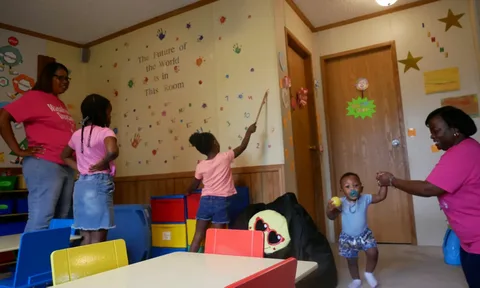
Early childhood is a critical period in a child’s growth, where the foundation for lifelong learning, social skills, and emotional well-being is established. For parents seeking the best environment for their young children, choosing home based childcare for early childhood development has become an increasingly popular option. Unlike large daycare centers, home-based care offers unique advantages that can support a child’s growth in a more personalized and nurturing setting.
Personalized Attention and Care
One of the primary benefits of choosing home based childcare for early childhood development is the individualized attention children receive. In a home-based setting, the caregiver-to-child ratio is typically lower than in traditional daycare centers. This allows caregivers to:
- Understand each child’s unique personality and learning style
- Address developmental milestones at a personalized pace
- Offer tailored emotional support that fosters confidence and security
Children who receive this level of personalized attention are often more likely to develop strong social-emotional skills and form secure attachments, which are vital for healthy development.
A Comfortable and Familiar Environment
Home-based childcare often takes place in a residential setting, which can feel more comfortable and less intimidating than larger institutional settings. A familiar and cozy environment helps children:
- Feel safe and secure
- Adjust more easily to routines and transitions
- Engage in creative and exploratory play without feeling restricted
The nurturing atmosphere of home-based childcare encourages children to express themselves freely, promoting cognitive and emotional growth.
Flexibility and Consistency
Another significant advantage of choosing home based childcare for early childhood development is the flexibility it offers. Home-based caregivers often provide adaptable schedules to accommodate working parents, which helps children maintain consistent routines. Consistency in daily routines is crucial for young children, as it supports:
- Predictable sleep and meal schedules
- Better emotional regulation
- Smooth transitions between home and childcare environments
This balance between flexibility for families and consistency for children contributes to a stable foundation for early development.
Stronger Family-Caregiver Relationships
Home-based childcare often fosters closer relationships between families and caregivers. Parents can communicate more easily with caregivers about their child’s progress, concerns, and milestones. This partnership enhances a child’s development because:
- Parents stay actively involved in learning and growth
- Caregivers gain insight into the child’s home life, preferences, and routines
- Collaborative approaches support holistic development
The stronger bond between caregiver and family ensures that a child’s emotional and educational needs are met consistently.
Conclusion
In summary, choosing home based childcare for early childhood development offers numerous advantages, from personalized attention and a nurturing environment to flexible routines and strong family-caregiver partnerships. By selecting a home-based option, parents can provide their children with the support and care necessary to thrive during these formative years, setting the stage for lifelong learning and well-being.
