


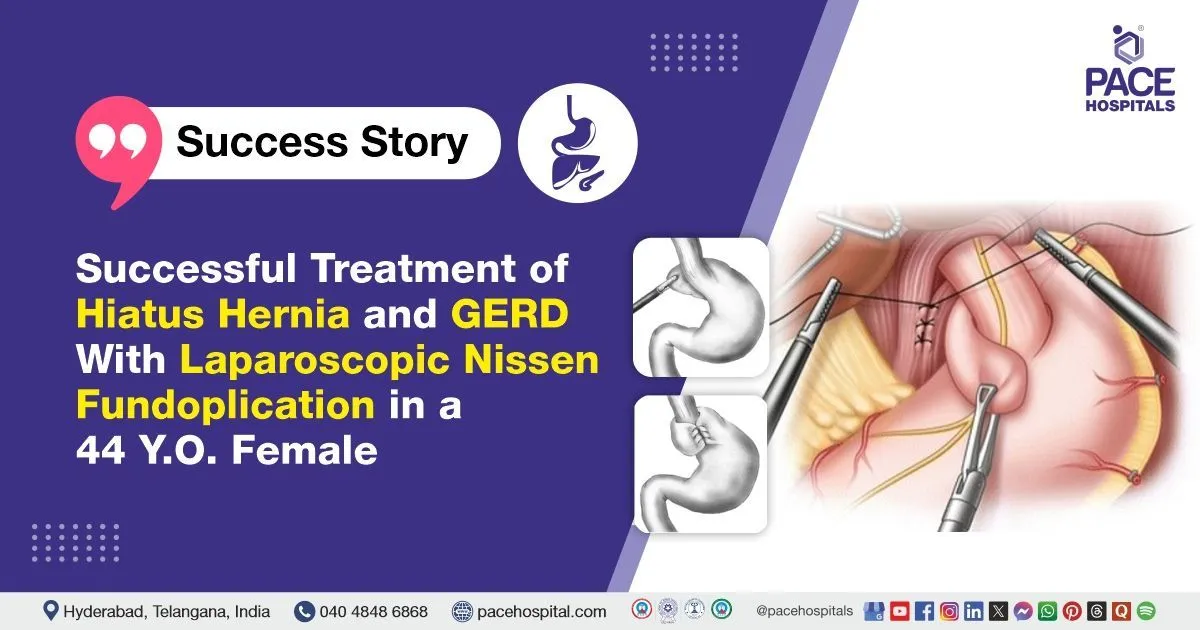
Hernias are a common medical condition that can affect people of all ages. While they are rarely life-threatening, they can cause discomfort and complications if left untreated. Understanding hernia treatment is crucial for managing symptoms effectively and choosing the best course of action. This guide provides a comprehensive overview of hernia treatment options, prevention strategies, and recovery tips.
What is a Hernia?
A hernia occurs when an internal organ or tissue pushes through a weak spot in the surrounding muscle or connective tissue. The most common types include inguinal (groin), femoral, umbilical, and hiatal hernias. Symptoms often include a noticeable lump, pain, or discomfort, especially when lifting, coughing, or bending.
Diagnosis of Hernias
Accurate diagnosis is essential for effective hernia treatment. Doctors typically perform a physical examination and may recommend imaging tests such as ultrasound, CT scan, or MRI to confirm the hernia type and size. Early diagnosis allows for timely intervention, preventing potential complications like obstruction or strangulation.
Understanding Hernia Treatment Options
Hernia treatment can be broadly classified into non-surgical and surgical approaches, depending on the severity and type of hernia.
Non-Surgical Treatment
For small or asymptomatic hernias, doctors may recommend a “watchful waiting” approach. Lifestyle changes such as maintaining a healthy weight, avoiding heavy lifting, and strengthening abdominal muscles can help reduce discomfort. While this approach does not cure the hernia, it may help manage symptoms temporarily.
Surgical Treatment
Surgery is the definitive treatment for most hernias. The two main types of hernia surgery are:
- Open Hernia Repair: The surgeon makes an incision near the hernia and pushes the protruding tissue back into place. A mesh may be used to reinforce the weakened area.
- Laparoscopic Hernia Repair: This minimally invasive technique uses small incisions and a camera to repair the hernia with mesh. Recovery time is usually shorter compared to open surgery.
Understanding hernia treatment options allows patients to discuss the best approach with their healthcare provider based on factors such as hernia size, location, age, and overall health.
Recovery and Post-Treatment Care
After hernia surgery, following proper recovery guidelines is essential for a smooth healing process. Patients are advised to:
- Avoid strenuous activity for several weeks
- Follow a balanced diet to prevent constipation
- Monitor the surgical site for signs of infection
- Attend follow-up appointments as recommended by the surgeon
Adhering to these guidelines reduces the risk of recurrence and promotes faster recovery.
Preventing Hernias
While not all hernias are preventable, certain measures can lower the risk, including:
- Maintaining a healthy weight
- Practicing proper lifting techniques
- Strengthening core muscles
- Avoiding smoking, which can weaken connective tissue
Conclusion
Understanding hernia treatment is essential for anyone diagnosed with this condition. Whether opting for non-surgical management or surgical repair, timely intervention and proper care can significantly improve outcomes and quality of life. By being informed about hernia treatment, patients can make confident decisions and achieve successful recovery.
