


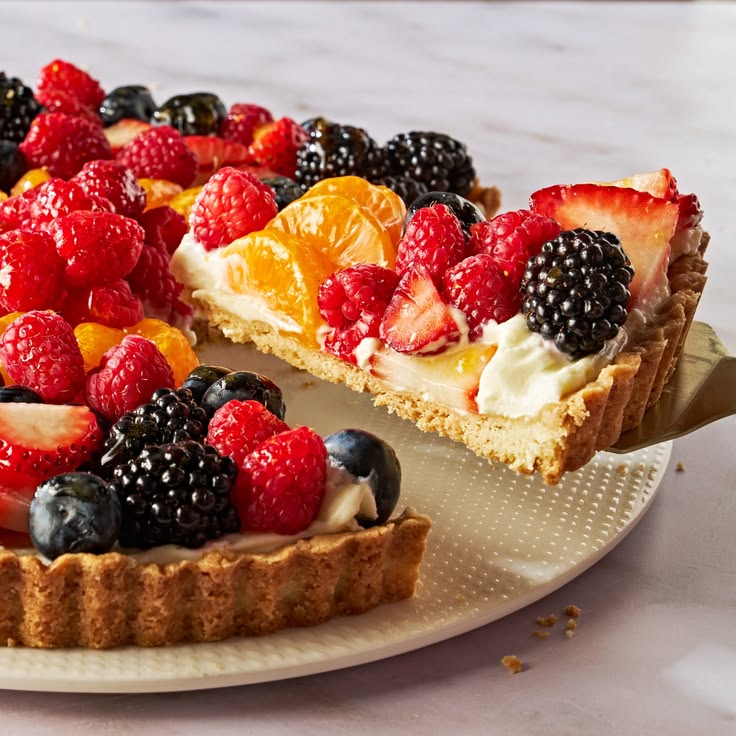
Why the Tart Shell Matters More Than You Think
A fruit tart is only as good as its base. While fresh fruits and creamy fillings often get the attention, the tart shell is what holds everything together and provides structure, texture, and flavor balance.
Table of Contents
ToggleA perfect fruit tart near me shell should be crisp, buttery, slightly sweet, and strong enough to support fillings without becoming soggy. Achieving that ideal texture is a mix of technique, ingredient balance, and proper baking methods.
Choosing the Right Dough for Tart Shells
The foundation of a great tart shell is pâte sucrée, a sweet shortcrust pastry commonly used in French baking.
Key characteristics include:
- Rich, buttery flavor
- Slight sweetness
- Crumbly yet firm texture
- Excellent structural stability
Unlike pie dough, which is flaky, tart dough is meant to be more cookie-like and compact, making it ideal for holding fruit and cream fillings.
Essential Ingredients for Success
A classic tart shell requires only a few basic ingredients, but each plays an important role:
- Flour: Provides structure
- Butter: Adds richness and tenderness
- Sugar: Sweetens and helps with browning
- Egg yolks: Bind the dough and add richness
- Salt: Enhances flavor
The quality of butter is especially important, as it directly impacts flavor and texture.
The Secret to a Crisp Texture: Proper Mixing
Overmixing is one of the most common mistakes when making tart dough. It can develop too much gluten, resulting in a tough shell instead of a tender one.
To avoid this:
- Mix just until ingredients come together
- Avoid excessive kneading
- Keep butter cold during mixing
- Work quickly to prevent warming the dough
A gentle touch ensures a delicate, crisp final texture.
Chilling the Dough: A Crucial Step
Chilling is not optional—it is essential. Resting the dough in the refrigerator allows the gluten to relax and the butter to firm up.
Benefits of chilling include:
- Easier rolling and shaping
- Reduced shrinkage during baking
- Better texture and structure
- Enhanced flavor development
Ideally, the dough should chill for at least 1 to 2 hours before rolling.
Rolling and Shaping Without Breaking the Dough
When rolling tart dough, consistency is key.
Tips for success:
- Lightly flour your surface
- Roll evenly to avoid thin spots
- Gently lift and rotate the dough while rolling
- Carefully transfer it into the tart pan
Press the dough into the edges without stretching it, as stretching can cause shrinkage during baking.
Preventing a Soggy Bottom
A soggy tart shell is one of the biggest frustrations in baking. Fortunately, it can be avoided with a few techniques.
Blind baking
This involves pre-baking the shell before adding filling. To do this:
- Line dough with parchment paper
- Fill with baking weights or dried beans
- Bake until lightly golden
- Remove weights and bake again until fully crisp
Egg wash or chocolate coating
Brushing the baked shell with egg wash or melted chocolate creates a moisture barrier, especially useful for fruit-based fillings.
Baking Temperature and Timing
Proper baking ensures a crisp and evenly cooked tart shell.
General guidelines:
- Start with a moderate oven temperature for even cooking
- Avoid opening the oven too early
- Bake until edges are golden brown
- Allow full cooling before adding fillings
Cooling is important because residual steam can soften the crust if filled too early.
Adding Strength Without Losing Tenderness
A well-made tart shell must be strong enough to hold fruit and cream without cracking.
To improve strength:
- Use egg yolks for structure
- Avoid overloading with moisture-heavy ingredients
- Ensure even thickness during rolling
- Allow proper resting time after baking
Balance is key—too soft and it collapses, too hard and it becomes unpleasant to eat.
Flavor Variations for Creative Tart Shells
Once you master the basic recipe, you can experiment with flavor enhancements:
- Almond flour for a nutty taste
- Cocoa powder for chocolate tart shells
- Citrus zest for freshness
- Vanilla bean for aroma
These small additions can elevate your tart from simple to gourmet.
Common Mistakes to Avoid
Even experienced bakers can run into issues. Watch out for:
- Overworking the dough
- Skipping chilling time
- Rolling uneven thickness
- Underbaking the shell
- Filling while the shell is still warm
Avoiding these mistakes will dramatically improve your results.
Conclusion
A perfect fruit tart shell is the foundation of a beautiful and delicious dessert. By focusing on quality ingredients, gentle handling, proper chilling, and careful baking techniques, you can achieve a crisp, buttery base that elevates any filling.
Once mastered, this versatile shell becomes the canvas for endless dessert creations, from classic fruit tarts to modern gourmet variations.