


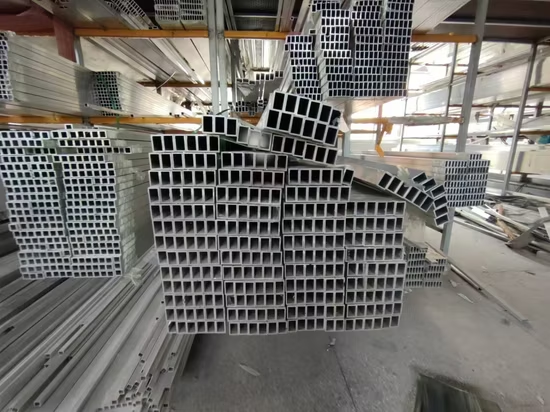
Understanding aluminium pricing can be challenging, especially when project budgets depend on accurate cost estimates. The aluminium supplier nz Pricing Guide: What Affects the Cost? helps buyers, builders, and manufacturers understand the key elements that influence pricing across New Zealand’s aluminium market.
This Aluminium Supplier NZ Pricing Guide: What Affects the Cost? is essential for anyone looking to make informed purchasing decisions, whether for construction, fabrication, or industrial applications.
Overview of Aluminium Pricing in New Zealand
Aluminium prices in New Zealand are influenced by both global and local market conditions. Since aluminium is traded internationally, fluctuations in raw material costs directly impact what suppliers charge.
Local demand, transportation expenses, and manufacturing processes also play a significant role. When reviewing the Aluminium Supplier NZ Pricing Guide: What Affects the Cost?, it becomes clear that pricing is not fixed and can vary significantly between suppliers and regions.
Key Factors That Influence Aluminium Costs
1. Raw Material Market Prices
The global price of aluminium is the biggest cost driver. When international demand rises or supply is limited, prices increase for local suppliers in New Zealand.
2. Aluminium Grade and Quality
Different grades of aluminium come with different price points. High-strength or corrosion-resistant alloys cost more due to additional processing and material refinement.
3. Manufacturing and Processing Costs
Cutting, shaping, extrusion, and finishing all add to the final cost. Custom fabrication or precision engineering can significantly increase pricing.
4. Transportation and Logistics
Shipping aluminium within New Zealand can be expensive, especially for bulky or heavy orders. Distance from supplier warehouses also impacts final pricing.
5. Supplier Margins and Business Operations
Each supplier includes operational costs, overhead, and profit margins in their pricing structure. This means two suppliers may offer different prices for the same product.
How NZ Suppliers Structure Their Pricing
Most aluminium suppliers in New Zealand use a combination of per-kilogram pricing, per-metre pricing for extrusions, or project-based quotations for custom orders.
Bulk orders often receive discounts, while smaller or custom orders tend to cost more per unit. When reviewing the Aluminium Supplier NZ Pricing Guide: What Affects the Cost?, it is important to understand how order size and customization affect overall pricing.
Tips to Reduce Aluminium Costs
- Buy in bulk whenever possible
- Compare multiple suppliers before placing orders
- Choose standard profiles instead of custom designs
- Plan projects in advance to avoid urgent order surcharges
- Work with suppliers that offer transparent pricing structures
These strategies can help reduce costs without compromising on quality or performance.
Conclusion
The Aluminium Supplier NZ Pricing Guide: What Affects the Cost? highlights that aluminium pricing is influenced by a combination of global markets, material grades, processing requirements, and logistics. By understanding these factors, buyers can make smarter purchasing decisions and better manage project budgets.
Using the insights from this Aluminium Supplier NZ Pricing Guide: What Affects the Cost?, businesses can plan more effectively and secure better value from their suppliers in New Zealand’s competitive aluminium industry.