


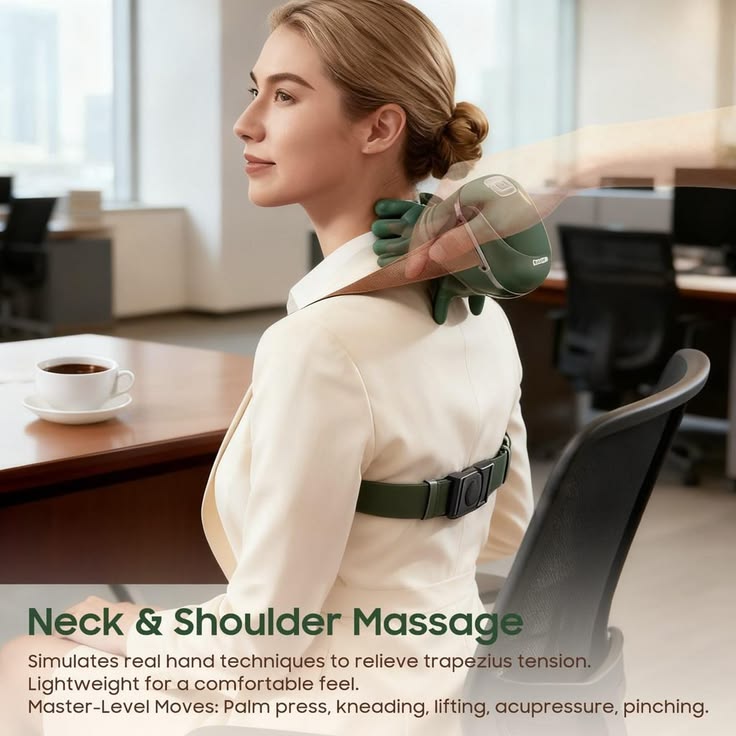
Daily neck strain has become almost unavoidable in modern life. Hours spent looking at screens, long commutes, and constant handheld device use all place continuous stress on the cervical spine. Over time, this strain can lead to stiffness, reduced mobility, tension headaches, and persistent discomfort that affects both productivity and quality of life.
Targeted Neck and Shoulder Massager therapy has emerged as one of the most practical ways to manage this issue. By focusing specifically on the cervical spine and surrounding muscle groups, modern massage techniques and devices aim to reduce tension at its source rather than simply masking symptoms.
Understanding how the cervical spine works—and why it becomes strained—helps explain why targeted massage is so effective.
Understanding the Cervical Spine and Its Role
The cervical spine consists of seven vertebrae located in the neck region. It supports the weight of the head, which can weigh around 4 to 6 kilograms in a neutral position. However, when the head tilts forward—such as when looking at a phone or laptop—the effective load on the cervical spine increases significantly.
This added pressure forces the surrounding muscles to work harder to stabilize the head. The result is fatigue in key muscle groups, particularly:
- Upper trapezius
- Levator scapulae
- Sternocleidomastoid
- Deep cervical stabilizers
When these muscles remain under constant strain, tightness and pain gradually develop.
Why Daily Neck Strain Becomes Chronic
Neck strain is not usually caused by a single event. Instead, it builds gradually through repetitive habits.
Forward Head Posture
One of the most common causes is forward head posture. Even a slight forward shift increases muscular workload and places continuous stress on the cervical spine.
Static Positioning
Long periods of sitting reduce movement in the neck and shoulders. Without regular motion, blood circulation slows and muscle fibers become stiff.
Stress-Related Tension
Emotional stress often leads to unconscious muscle tightening. Many people raise their shoulders or clench neck muscles without realizing it, creating chronic low-level tension.
Poor Sleep Posture
Improper pillow height or sleeping position can also strain the cervical spine, preventing full muscle recovery during rest.
What Targeted Massage Actually Does
Targeted massage focuses on specific muscle groups rather than general body relaxation. In the case of the cervical spine, this means applying controlled pressure to tight muscles that directly support the neck.
The goal is to:
- Increase blood circulation
- Release muscle knots
- Improve flexibility
- Reduce nerve compression
- Restore natural alignment
Unlike general massage methods, targeted therapy focuses on precision and depth.
How Modern Massage Technology Targets the Cervical Spine
Advanced massage devices are designed to replicate professional techniques while adapting to the anatomy of the neck.
1. Contoured Neck Fit Design
Modern cervical massagers are shaped to follow the natural curve of the neck and upper shoulders. This ensures consistent contact with key muscle zones and improves pressure accuracy.
A proper fit is essential for effective relief, as misalignment can reduce the impact of massage nodes.
2. Deep Kneading Motion
Kneading is one of the most effective techniques for cervical relief. It involves circular, rhythmic pressure that mimics human hand movement.
This motion helps:
- Loosen tight muscle fibers
- Break down small knots
- Improve tissue elasticity
It is especially effective for upper trapezius and neck base tension.
3. Targeted Pressure Nodes
Instead of applying uniform pressure, modern devices use specific nodes that focus on trigger points. These are areas where muscle fibers are most likely to tighten and form knots.
By applying direct pressure, these nodes help release deep-seated tension more effectively than surface-level vibration.
4. Adjustable Intensity Control
Not all neck tension is the same. Some users require gentle relaxation, while others need deeper pressure for chronic stiffness.
Adjustable settings allow users to customize intensity based on their comfort level and muscle condition.
5. Heat-Assisted Relaxation
Heat is commonly integrated into cervical massage devices because it enhances muscle responsiveness. Warmth increases blood flow and softens tight tissues, making them easier to relax under pressure.
This combination of heat and massage is especially effective for stiffness caused by long hours of sitting.
Benefits of Targeted Cervical Massage
Regular targeted massage of the cervical spine can produce both immediate and long-term benefits.
Reduced Neck Pain
Consistent pressure helps relieve muscle tightness that contributes to pain and discomfort.
Improved Mobility
Looser muscles allow for a greater range of motion in the neck, making daily movements easier.
Fewer Tension Headaches
Many headaches originate from tight neck muscles. Releasing this tension can reduce headache frequency and intensity.
Better Posture Support
When neck muscles are relaxed and balanced, maintaining proper posture becomes easier and less tiring.
Enhanced Relaxation
Massage also activates the body’s relaxation response, helping reduce stress and improve mental clarity.
Best Practices for Using Targeted Neck Massage
To maximize results, proper usage is essential.
Use Short, Consistent Sessions
10 to 15 minutes per session is often enough to relieve tension without overstimulation.
Start with Gentle Intensity
Beginning at lower settings allows muscles to gradually adapt before deeper pressure is applied.
Focus on Key Areas
Pay attention to the base of the skull, sides of the neck, and upper shoulders where tension commonly accumulates.
Maintain Good Posture During Use
Sitting or lying in a supported position ensures even pressure distribution.
When Targeted Massage Works Best
Cervical massage is especially effective:
- After long work sessions
- During breaks from screen time
- Before sleep to promote relaxation
- After travel or long commutes
Consistency is more important than intensity when managing chronic neck strain.
A Smarter Approach to Neck Care
Neck pain is often the result of daily habits rather than sudden injury. This means long-term relief depends on ongoing care rather than occasional treatment.
Targeted massage offers a practical way to manage this tension by addressing the cervical spine directly. It bridges the gap between professional therapy and everyday convenience.
Restoring Balance to the Cervical Spine
The cervical spine plays a critical role in movement, posture, and overall comfort. When it becomes strained, the effects can spread throughout the upper body.
Targeted massage helps restore balance by reducing muscle tightness, improving circulation, and supporting natural alignment. Over time, this leads to a more comfortable and functional neck.
Final Thoughts
Daily neck strain is a modern reality, but it does not have to be a permanent one. With targeted massage techniques and properly designed devices, it is possible to manage cervical tension effectively at home.
By focusing on precision, consistency, and proper technique, cervical spine massage becomes more than just relaxation—it becomes a practical tool for maintaining long-term neck health in a high-stress, screen-driven world.